Common signs of spray foam insulation failure in Halifax homes
Damp rafters, a spongy loft floor and rising heating bills are the first clues. Here are the signs of spray foam insulation failure in Halifax homes.
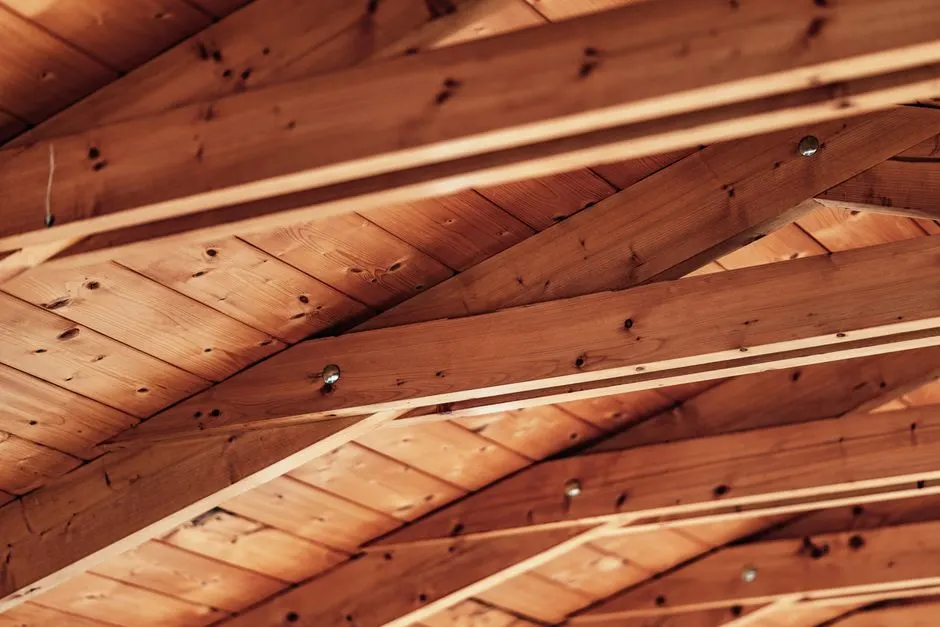
The most common signs of spray foam insulation failure in Halifax homes are damp or discoloured roof timbers, condensation on the underside of the foam, a spongy or bouncy loft floor, a musty smell in upstairs rooms, and heating bills that keep climbing despite the insulation. If you can see two or more of those at once, the foam has almost certainly stopped doing its job and needs to come out. Spray foam insulation failure is the loss of the foam's airtight seal, adhesion or vapour control, which lets moisture into the roof structure and traps it there. This post walks through what each symptom looks like, why Halifax's climate makes it worse, and what removal actually involves in 2026.
What spray foam insulation failure actually looks like
Spray foam insulation failure in Halifax homes shows up in the roof space long before it shows up on your energy bill. The foam itself is usually still stuck to the rafters - that is what fools people. The problem is happening underneath and behind it.
When foam is sprayed directly onto the underside of roof tiles or onto old felt, it seals the roof deck. Any moisture that gets past a slipped slate, a cracked ridge tile or a blocked gutter has nowhere to go. It condenses on the cold side of the foam, soaks into the timber, and starts working on the wood. We open lofts every week in Halifax and find rafters that look fine from the loft side but are black and soft when you get a hand behind the foam.
The tell-tale signs we look for are:
- Dark staining or black mould on rafters, purlins and the roof deck
- Water droplets or a damp film on the surface of the foam itself
- Foam that has pulled away from the timber at the edges, leaving a visible gap
- A crumbly, powdery texture where the foam has gone brittle
- Rusty nail heads and corroded fixings poking through the timber
If you are seeing any of that, it is worth booking a proper insulation assessment in Halifax, West Yorkshire before the damage spreads to the structural timbers.
Damp, condensation and the Calder Valley weather problem
Halifax sits in a bowl of the Calder Valley, and that geography is brutal on roofs. We get around 1,100mm of rain a year here, and the prevailing south-westerly wind drives it straight into the exposed elevations on the hills above the town.
That matters because spray foam failure is a moisture problem first and an insulation problem second. The foam stops the roof breathing. In a dry climate you might get away with it for a decade. In Halifax, on a stone-built terrace in Sowerby Bridge or a slate-roofed house in Hebden Bridge, the timbers can be wet within two or three winters.
Look for the indoor symptoms too. Condensation on upstairs windows that never used to be there. A musty smell in a back bedroom. Damp patches on chimney breasts and around roof windows. These are the same moisture that is sitting in your roof space, finding its way down through the building.
Older Halifax properties make this worse. A Victorian stone terrace in Halifax City Centre was built to breathe - lime mortar, no felt, no vapour barrier. Spray foam applied to that roof deck cuts off the one route the building had to dry itself out.
How do I know if my spray foam insulation has failed in Halifax West Yorkshire?
You know your spray foam insulation has failed in Halifax West Yorkshire when the foam is damp to the touch, the timbers behind it are stained or soft, or the loft smells musty - any one of those means moisture is trapped and the foam is doing more harm than good.
Here is the quick check you can do yourself, safely, from the loft hatch without climbing onto the rafters:
- Shine a torch along the underside of the roof and look for dark patches on the timber.
- Press the back of your hand against the foam. It should feel dry and firm. Damp or tacky means trouble.
- Check the edges where the foam meets the rafters. Gaps or peeling mean the seal has broken.
- Look at the loft floor. A floor that dips or bounces when you walk on it usually means the ceiling joists underneath have taken on water.
- Sniff. A musty, earthy smell in a loft that used to smell of nothing is a strong signal.
One of those on its own might be nothing. Two or three together, and you are looking at spray foam insulation problems that will not fix themselves. Foam does not re-adhere, and it does not dry out once it is sealed against a cold roof deck.
Timber damage, rot and the structural signs
Timber damage is the expensive stage of spray foam insulation failure, and it is the one Halifax homeowners miss because it happens out of sight. By the time a rafter feels soft, the rot has usually been running for two or three years.
Wet rot needs timber above roughly 20% moisture content to get going. Trapped under failed foam, rafters in a Halifax roof space sit at 25-35% through the winter months. That is ideal conditions for the fungus, and it spreads along the grain from rafter to purlin to ridge board.
What that costs you depends on how far it has gone. Replacing a handful of rafters and treating the surrounding timber runs into the low thousands. If the roof structure has to be propped and rebuilt, you are looking at a much bigger job, and that is before you have dealt with the foam itself.
The other structural sign is sagging. If the ceiling in an upstairs room has started to bow, or the loft floor feels springy underfoot, the joists have lost strength. That is not a job for a dehumidifier and a tin of stain block.
Mortgage and survey red flags
A mortgage lender will often refuse to lend on a Halifax property with spray foam in the roof, and that is now one of the most common reasons we get called out. Since the lender guidance tightened up, surveyors flag spray foam as a defect rather than a feature.
The pattern is always the same. You are selling, or you are buying, and the valuation comes back with a condition attached. Either the foam has to be removed and the roof inspected, or the lender wants a structural report before they will release funds. Either way, the sale stalls until it is sorted.
We handle this regularly, and the paperwork matters as much as the removal. A mortgage lender spray foam removal in Halifax, West Yorkshire job includes photographic evidence of the timbers before, during and after, plus a written confirmation that the roof structure has been exposed and checked. That is what the lender's surveyor needs to see.
If you are buying a house in Todmorden or Mytholmroyd and the survey mentions spray foam, get it priced before you exchange. Removal on a typical three-bedroom terrace runs from around £2,400 to £4,800 in 2026, depending on the roof size, the type of foam and how much timber needs treating.
What to watch out for before you book anyone
The spray foam removal market has filled up with outfits that will happily take your money and leave you with a bigger problem. Here is what we see going wrong.
- Foam left behind at the eaves and in the corners. If it is not all out, the moisture stays trapped and the rot keeps going.
- No timber inspection. Removing foam without checking the rafters underneath is pointless. You need to know what you are left with.
- Chemicals that damage the roof. Aggressive solvents can eat into old felt and slate. Dry ice blasting and hand scraping are safer on period Halifax roofs.
- No paperwork. If you are selling, or you have a lender involved, you need documented evidence of the removal and the condition of the timbers.
- Quotes that ignore the type of foam. Open cell foam comes out very differently to closed cell foam, and the price reflects that.
Ask what method they use, ask how they check the timbers, and ask what you get in writing at the end. A straight answer to those three questions tells you most of what you need to know.
When to call a professional
Call a professional when you can see damp or staining on the timbers, when the foam has started to peel, or when a surveyor or lender has flagged it - those are not DIY jobs. Poking at rotten rafters from a loft ladder is how people end up going through a ceiling.
Our team at Spray Foam Removal Halifax works across the town and the surrounding valleys. We inspect the roof space, tell you honestly whether the foam needs to come out or can stay, and give you a fixed price before we start. If it does need removing, we take it out, treat any timber that needs it, and leave you with the documentation your lender or buyer will want.
We also handle the awkward jobs - foam sprayed into cavity walls, foam on the underside of a roof that has been there since the 1990s, and foam that has been half-removed by someone else. If you are not sure what you are looking at, a spray foam removal near me in Halifax, West Yorkshire visit is the fastest way to find out.
Frequently Asked Questions
What are the signs of spray foam insulation failure in Halifax?
Damp or discoloured roof timbers, condensation on the foam, a musty smell in the loft, a spongy loft floor and rising heating bills. Two or more together usually means the foam has lost its seal and moisture is trapped against the roof deck.
How do I know if my spray foam insulation has failed in Halifax West Yorkshire?
Check the foam with the back of your hand - it should be dry and firm. Look for dark staining on rafters, gaps where the foam has peeled away, and rust on nail heads. If the loft smells musty or the floor bounces, get it inspected.
Can failed spray foam insulation be removed in Halifax?
Yes. We remove open cell and closed cell foam from lofts, roofs and cavity walls across Halifax. Most three-bedroom terraces take one to two days. Dry ice blasting is the usual method on period roofs because it will not damage old felt or slate.
Who fixes spray foam insulation failure in Halifax?
A specialist removal company, not a general builder. You need someone who can take the foam out, inspect and treat the timbers, and provide the written evidence a lender or surveyor will accept. That is what we do across Halifax and the Calder Valley.
How much does spray foam removal cost in Halifax?
Typical 2026 pricing for a three-bedroom Halifax terrace runs from £2,400 to £4,800. Larger roofs, closed cell foam and any timber repairs push it higher. We give a fixed price after inspecting the loft, so there are no surprises.
Get help with spray foam removal in Halifax
If you have spotted damp timbers, peeling foam or a surveyor's note about spray foam, we can take a look and tell you exactly where you stand. We cover Halifax and the surrounding towns, and we will give you a fixed price before any work starts.
Call Spray Foam Removal Halifax on 0333 567 2543 to book an inspection.